
Annual Lift Permit to Operate (PTO) Renewal in Singapore
The Essentials of Annual PTO Certification
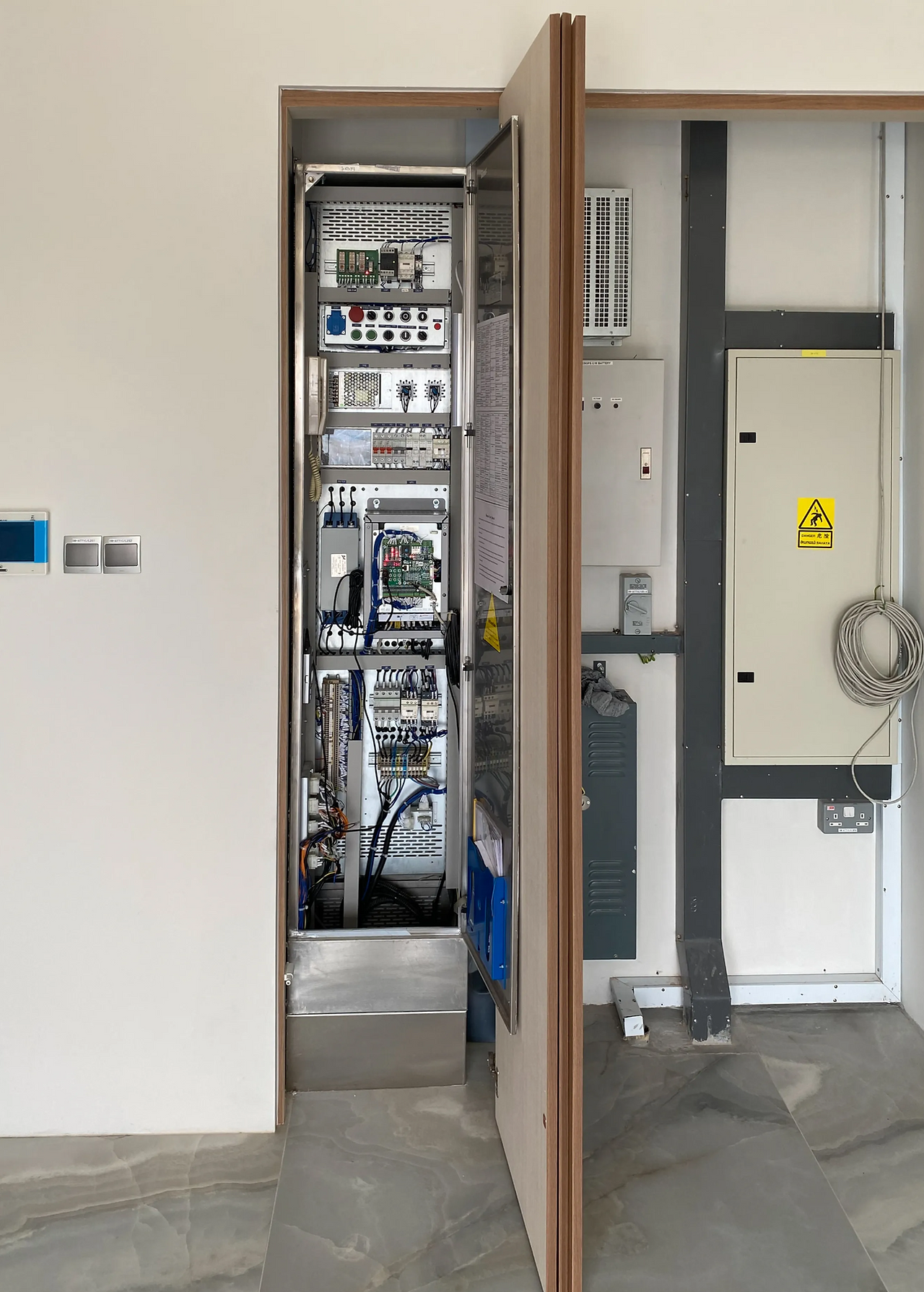
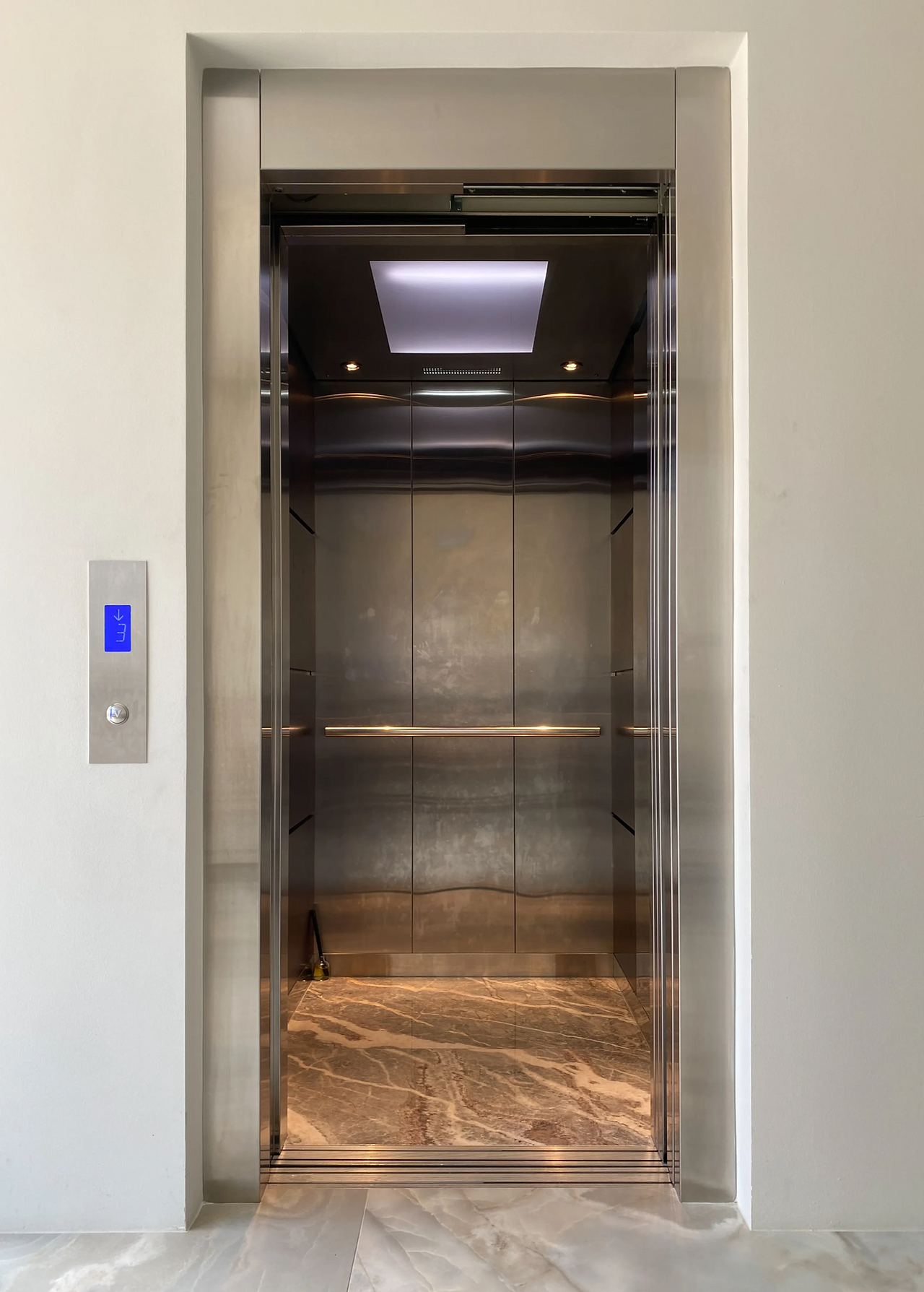
Owning a residential lift in Singapore comes with the clear legal mandate to renew the annual Permit to Operate (PTO). A PTO is the definitive proof required by the Building and Construction Authority (BCA) that your lift's fail-safes, from emergency brakes to door sensors, are capable of protecting your family during unforeseen circumstances.
We have broken down the BCA's digital renewal process and the specific legal and safety risks you avoid by maintaining a valid certificate.
A Three-Step Guide To PTO Renewal For Landed Homes
The 90-day window before your permit expires is when our work begins. For example, if your PTO expires in April, we will reach out to you in January. We track these dates for every client to ensure no one is caught off guard by a BCA reminder. For an existing home lift, the renewal process is a collaboration between you, our technical team, and an independent Specialist Professional Engineer (SPE).
1. Kickstarting Your Compliance Window
Your involvement is brief but essential. To initiate the process, you must log in to the Lifts and Escalators Application Portal (LEAP) using your Singpass or Corppass. This digital handshake is the trigger that allows us and the SPE to proceed with the technical work.

Once you have initiated the renewal on the portal, the BCA system unlocks, allowing us to officially record the upcoming inspection results.
2. Our Rigorous Safety Verification Process

Once the portal is initiated, we take over the logistical and technical requirements. We coordinate the Specialist Professional Engineer’s (SPE) visit and prepare the lift for a multitude of functional tests. Before the SPE even arrives, our technicians conduct a series of high-stakes checks to ensure the system is ready for formal validation.
Electrical and Mechanical Preparation
We begin with electrical isolation, verified by a Licensed Electrical Worker (LEW) to prevent unintended movement during inspection. Our technicians then examine critical components like ropes, brakes, buffers, and door interlocks, to confirm optimal condition before stress testing.
Functional Validation and Recalibration
We conduct No-Load Functional Testing, verifying that door sensors respond instantly to obstructions and the emergency brake holds the lift securely during simulated power loss. We check stopping accuracy and system responses in inspection mode, recalibrating any sensor deviations immediately for seamless SPE handover.
SPE Oversight and Certification
The SPE then supervises a multitude of Load Tests using calibrated weights to verify our work. This provides an additional, unbiased layer of protection, confirming that overspeed protection and braking performance meet SS550 for another year of service.
Want a deeper look into the mechanics? Learn more about the specific nuances, testing durations, and the specialised team involved in our full guide What Happens During Lift Testing in Singapore.
3. Finalising Your Lift Safety Certification
The process concludes in the LEAP portal, where the SPE uploads the test results. Should the inspector identify any required rectifications, we will provide a quote for the necessary works to ensure the lift is compliant before final approval and certification for another year of service. We monitor this submission until the BCA issues the final permit. Following the release of your digital certificate, owners are responsible for ensuring the physical Lift safety certification sticker is displayed within the lift to remain in compliance with annual legal requirements.
The Hidden Risks of an Expired Permit

Operating a residential lift with an expired permit is a significant legal and safety liability. If a permit expires, the lift is legally considered unfit for use and needs to be shut down immediately. Continuing to operate an uncertified lift can result in heavy penalties under the BCA, as owners may be prosecuted and fined up to $5,000 per offence.
An expired lift safety certification also creates a dangerous gap in your insurance protection. Most property and public liability policies in Singapore require equipment to be maintained according to prevailing laws. Any lapse in your PTO could provide grounds for insurers to void coverage in the event of an accident.
Beyond the immediate risks, a lapsed permit often leads to a far more complex "recommissioning" process, where additional technical audits are needed to prove the lift is safe to re-enter service.
Maintaining a valid PTO is a straightforward process when managed with foresight. By integrating high-stakes performance checks into our routine maintenance, we identify and recalibrate minor technical deviations early, preventing the delays and added costs of a failed inspection. We take full ownership of the compliance timeline, acting as the proactive guardian for your home’s vertical mobility.
Our track record with residential and commercial properties is proof that even with complex BCA regulations, it is possible to deliver compliance with speed and care. We are ready to provide this same level of expertise for partners and homeowners who value the difference a safe, well-maintained building makes.


.png)

Comments